Open-car transport represents one of the most economical and widely-used methods for moving vehicles across short and long distances.
Unlike enclosed transport alternatives, this shipping methodology exposes vehicles to natural elements during transit, making it an ideal choice for those seeking cost-effective vehicle relocation solutions without the premium pricing of protective enclosure options.
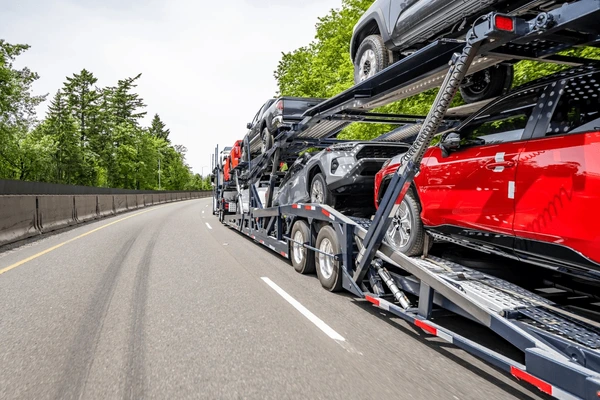
In essence, open-car transport involves the loading of multiple vehicles onto a flatbed or multi-deck carrier trailer, allowing transport companies to consolidate shipments and significantly reduce per-unit transportation costs.
This practice has become the industry standard for both consumer vehicles and commercial fleet movements, particularly for distances exceeding 500 miles where economies of scale become increasingly advantageous.
The open-car transport process begins with a comprehensive assessment of your vehicle’s condition and specifications. When you request a quote with a professional transport provider, they evaluate factors such as vehicle size, weight, destination distance, and current market conditions. Upon booking confirmation, your vehicle undergoes pre-shipment inspection, documenting existing conditions via photographs and detailed reports.
Professional drivers then deliver your vehicle to a designated pickup location or arrange convenient home-based collection. Your car is secured onto a carrier using specialized equipment, then combined with other vehicles destined for nearby areas to optimize route efficiency. Throughout the journey, your vehicle remains exposed to weather and road conditions—though modern carriers feature advanced suspension systems and secure tie-down mechanisms to minimize potential damage risks.
Upon arrival at the destination terminal or final delivery address, your vehicle undergoes comprehensive post-shipment inspection. The transport company provides detailed documentation of any changes in vehicle condition, enabling quick claim processing should any damage have occurred during transit.
The primary attraction of open-car transport lies in its remarkable affordability compared to alternative shipping methods. Since transport companies can accommodate multiple vehicles on single carriers, the per-vehicle transportation cost decreases substantially. Transportation industry data consistently demonstrates that open transport costs approximately 40-60% less than enclosed vehicle shipping options. This significant savings translates directly to your bottom line, whether you're relocating personally or managing a commercial vehicle fleet.
Open-car transport services operate extensively throughout the United States and internationally. The abundance of carriers utilizing this model means customers enjoy remarkable flexibility in scheduling pickup and delivery dates. Unlike specialized transport services that operate on limited schedules, open transport offers frequent departure times and multiple route options. This accessibility makes open transport the practical choice for most vehicle relocation scenarios, from cross-country moves to regional distribution initiatives.
Contemporary open-car transport has evolved significantly from earlier practices. Modern carriers employ industry-standard securement procedures, comprehensive driver training programs, and state-of-the-art tracking technology. Most reputable transport companies maintain Federal Motor Carrier Safety Administration (FMCSA) certification and carry substantial liability insurance protecting customer vehicles throughout the shipping process. When selecting a transport provider, verification of these credentials ensures professional handling throughout your shipment.
Open-car transport represents an environmentally responsible approach to vehicle relocation. By consolidating multiple vehicles on single carriers, transport companies significantly reduce per-vehicle carbon emissions compared to individual driving or small-group shuttling arrangements. This consolidated approach contributes to reduced fuel consumption and lower overall environmental impact—making open transport an attractive option for environmentally-conscious consumers.
Open carriers frequently operate on established routes with predictable schedules, enabling reliable delivery estimates. For time-sensitive relocations, open transport typically delivers faster results than waiting for full-load enclosed transport arrangements. Average transcontinental transport via open carrier takes 5-8 business days, depending on specific origin and destination points.
Transport companies specializing in open-car services benefit from remarkable operational scalability. The ability to consolidate shipments enables businesses to optimize fuel consumption, reduce driver fatigue, and maximize vehicle utilization rates. For companies managing thousands of annual shipments, this efficiency translates to competitive pricing advantages that ultimately benefit customers.
Professional transport providers maintain sophisticated networks connecting major metropolitan areas and distribution hubs. This infrastructure enables companies to offer competitive pricing while maintaining service reliability. Regular routes mean predictable scheduling, consistent equipment availability, and optimized delivery timeframes that benefit customers seeking dependable vehicle relocation solutions.
Contemporary transport companies employ GPS tracking, real-time status updates, and dedicated customer service teams. These technological investments ensure customers maintain constant awareness of shipment progress. Unlike years past when vehicle owners waited anxiously for arrival updates, modern transport services provide granular tracking information throughout the entire transit period. The Insurance Institute for Highway Safety emphasizes that professional transport services with established tracking systems demonstrate superior safety outcomes and customer satisfaction rates compared to informal arrangements.
Professional open-car transport utilizes industry-standard securement equipment specifically engineered to prevent movement during transit. Modern carriers employ multi-point tie-down systems, wheel nets, and protective padding to minimize damage risks. Heavy-duty chains and straps distribute load-bearing responsibilities across multiple anchor points, preventing concentrated stress that could damage vehicle frames or suspension components.
Reputable transport companies maintain comprehensive cargo liability insurance protecting vehicles throughout the shipping process. This coverage extends beyond basic protection, typically addressing collision damage, weather-related incidents, and theft during transit. Prior to selecting any transport provider, request detailed information regarding coverage limits and claims procedures. Most professional companies carry insurance limits ranging from $100,000 to $500,000 per vehicle, providing substantial protection for valuable vehicles. The Federal Motor Carrier Safety Administration mandates minimum insurance requirements for all commercial transport operations, ensuring basic consumer protection across the industry.
Professional transport companies conduct thorough pre-shipment inspections, creating baseline documentation of vehicle condition. Detailed photographic records and written condition reports establish definitive evidence of pre-transport state. Upon delivery, comprehensive post-shipment inspections verify vehicle condition and document any transit-related changes. This meticulous documentation process facilitates rapid claim resolution should damage occur.
| Factor | Open Transport | Enclosed Transport |
|---|---|---|
| Cost | $600-$1,500 (standard vehicles) | $1,200-$3,000 (standard vehicles) |
| Weather Exposure | Full exposure to elements | Complete weather protection |
| Availability | Frequent departures | Limited schedule options |
| Ideal For | Budget-conscious, standard vehicles | Luxury, vintage, or high-value vehicles |
| Transit Time | 5-8 days average | 7-10 days average |
| Environmental Impact | Lower per-vehicle emissions | Higher per-vehicle emissions |
Open-car transport serves as the optimal choice for standard production vehicles, daily drivers, and situations where budget considerations significantly influence decision-making. This method works exceptionally well for vehicles already exposed to outdoor conditions and those without particular vulnerability to weather exposure. Most automotive experts recommend open transport for vehicles under five years old with standard paint finishes, as these vehicles tolerate transit conditions well.
Enclosed transport becomes advisable for high-value vehicles, classic cars requiring preservation, vehicles with custom finishes, and luxury automobiles representing substantial financial investments. Weather-sensitive paint finishes, custom modifications, and irreplaceable vehicles justify the premium pricing associated with protective enclosure transport options.
Choosing a reputable transport company requires diligent verification of credentials and service history. Start by confirming FMCSA registration and safety ratings through official government databases. This verification ensures companies meet federal safety standards and maintain proper insurance coverage. Review customer testimonials across multiple platforms, including independent review sites, Better Business Bureau listings, and industry-specific rating services.
Exercise caution with transport companies offering prices significantly below market averages, as underpricing frequently correlates with inadequate insurance coverage or unprofessional handling practices. Companies requesting upfront payment via wire transfer before providing detailed service agreements present substantial fraud risk. Legitimate providers outline comprehensive terms before requesting payment and offer multiple payment options providing consumer protection.
The transport industry continues embracing technological advancement, with companies implementing AI-powered route optimization, real-time weather monitoring, and predictive maintenance systems. These innovations enhance service reliability while reducing operational costs—benefits that increasingly flow through to customers via competitive pricing.
Environmental consciousness increasingly influences transport industry practices. Companies now invest in fuel-efficient vehicles, alternative fuel adoption, and carbon offset programs. Some providers participate in EPA SmartWay programs, demonstrating measurable commitment to reducing transportation-related environmental impact.
Modern transport companies prioritize customer experience, implementing mobile apps for real-time tracking, simplified booking processes, and transparent communication throughout shipment cycles. This customer-centric approach reflects broader service industry trends emphasizing convenience and transparency.

Several variables influence open-car transport costs, including shipping distance, vehicle size and weight, season, destination accessibility, and current fuel prices. Long-distance shipments (exceeding 1,000 miles) typically offer better per-mile pricing compared to regional transport. Seasonal demand fluctuations significantly impact pricing, with summer moving season commanding premium rates compared to off-season winter months.
Comprehensive price quotes require specific information including vehicle make, model, and year, precise pickup and destination addresses, desired pickup dates, and any special handling requirements. Provide detailed vehicle descriptions and note any mechanical issues affecting drivability, as these factors influence pricing. Request quotes from multiple providers to establish competitive market awareness and identify best-value options.
Reputable transport providers outline all charges upfront, distinguishing between base transportation costs and any additional fees. Be wary of companies adding unexpected charges during billing. Fuel surcharges, toll charges, and destination delivery fees should be documented in advance. Clarify billing procedures and payment timing to avoid surprises upon delivery completion.
When you’re prepared to schedule open-car transport services, connect with professional providers offering competitive pricing, proven safety records, and exceptional customer service. Request detailed quotes, compare provider credentials, and select the company demonstrating the optimal balance of cost, reliability, and customer support for your specific vehicle relocation needs.
Open-car transport has established itself as the practical, economical choice for vehicle relocation across diverse customer segments and shipment profiles. From individual consumers relocating cross-country to automotive businesses managing fleet movements, open transport delivers reliable service at competitive costs. By understanding how open transport operates, verifying provider credentials, and asking informed questions during the selection process, customers can confidently arrange reliable vehicle shipment with minimal risk.
The combination of affordability, widespread availability, and professional service standards makes open transport the logical choice for most vehicle relocation scenarios. As you plan your next vehicle shipment, consider open-car transport services as your primary option while maintaining awareness of specialized alternatives for particularly valuable or weather-sensitive vehicles.
Whether relocating for employment opportunities, purchasing vehicles from distant locations, or managing commercial fleet logistics, professional open-car transport providers stand ready to deliver your vehicles safely, on schedule, and within budget constraints. Take time to research options thoroughly, verify credentials carefully, and select the provider best positioned to meet your specific needs.
Thank you for submitting your form. We have received your information successfully. We will get back to you as soon as possible via Call, Message or Email.